
Vegetable Oil Supply for Food Manufacturers and Food Processing
How food factories choose an edible oil and a supplier: matching oil to the application, the specification and food-grade documents to ask for, and how bulk supply is set up.
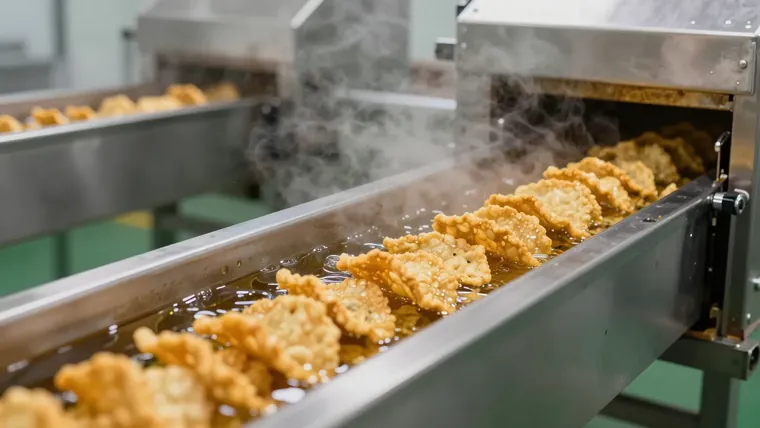
Short answer: bulk edible oil supply for food processing means delivering a specified oil, in bulk or semi-bulk formats, against a written specification and with documents for every batch, so production stays consistent. Choosing a supplier starts with the oil your application needs, then the evidence that the supplier can meet that specification reliably.
Matching the Oil to the Application
| Application | What matters | Oils often used |
|---|---|---|
| Industrial frying (snacks, noodles) | Frying stability, low foaming, long fry life | palm olein, high-oleic sunflower, rice bran oil |
| Bakery and shortening | Solid fat content, texture, melting behaviour | palm oil and palm stearin, coconut oil |
| Dressings and mayonnaise | Stays clear and liquid when chilled, neutral taste | soybean oil, sunflower oil |
| Confectionery and coatings | Sharp melting point, gloss, snap | coconut oil, palm fractions |
| Nutrition products | Fatty acid profile, purity | MCT oil, coconut oil |
What to Look for in a Food-Grade Edible Oil Supplier
A clear specification and batch analysis
The supplier should agree a written specification and provide an analysis report showing results for each batch delivered. Common quality parameters explained.
Food safety management
Ask which food safety certificates cover the producing and packing facility, and check that they are recognised by your own customers. Commonly requested schemes include HACCP-based systems, ISO 22000, FSSC 22000 and BRCGS.
Traceability
Each delivery should carry a batch or lot code that links back to production records, so any issue can be traced quickly.
Supporting statements
Depending on your products, you may need allergen, GMO-status, halal or kosher documents, and information on contaminants that your market regulates.
Change notification and continuity
Agree that the supplier tells you before changing origin, process or packaging, and discuss how supply continues if a shipment is delayed.
Bulk Delivery Formats for Factories
Factories with tank intake usually take flexitanks or ISO tanks; those without use IBCs or drums. Oils such as palm oil may need heating to discharge in cool conditions. Bulk formats compared.
Setting Up Supply with a New Oil Supplier
- Specification: share your required grade and limits.
- Samples and trial: test the oil in your own process before committing.
- Quality agreement: fix the specification, documents and change rules in writing.
- First order and incoming checks: check the first deliveries against the analysis reports.
- Regular schedule: agree volumes and delivery timing for ongoing supply.
Working with THAI AGRO OILS
Send your application, required specification, monthly volume, delivery format and destination. Our team will confirm which products, documents and terms can be offered for your requirement.
Food Manufacturer FAQ
What does food grade mean for edible oil?
Food-grade oil is fit for human consumption: it has been refined and handled under food hygiene conditions and meets the food regulations of the market where it is used. Industrial-grade oil, such as some crude oils, is not intended for food.
Which oil is best for industrial frying?
Oils with good frying stability are preferred, such as palm olein, high-oleic sunflower oil and rice bran oil. The best choice also depends on fry temperature, product taste and cost.
What is a quality agreement?
A written agreement between a food manufacturer and its supplier that sets the specification, testing, documents, packaging, change notification and how non-conforming deliveries are handled.
Why does a consistent specification matter in food processing?
Changes in oil quality affect frying life, product colour, taste and shelf life. A fixed specification, checked against each batch's analysis report, keeps production consistent.
Discuss Your Requirement
Tell us your application, specification, volume and delivery format. Our team will reply with the options we can offer.
- Product and grade
- Quantity
- Packaging
- Destination port
- Private label: yes or no