
Bulk Edible Oil Supply for Importers and Distributors
A practical guide for companies importing and distributing vegetable oil: what to check before choosing a supplier, how to compare offers, and how to plan shipments from Thailand.
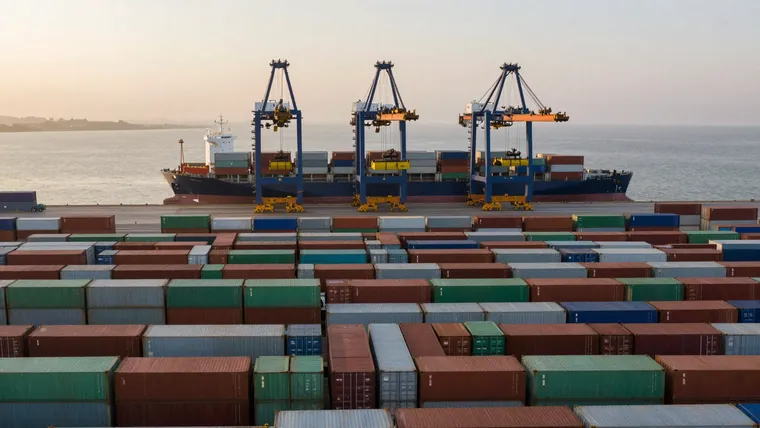
Short answer: importers source bulk edible oil from refiners, packers and exporters in producing countries such as Thailand, or through trading companies. The right supplier is one that can meet your specification, quote on your shipping term, provide the documents your customs authority requires and supply again on schedule.
THAI AGRO OILS is a Thailand-based company in Bang Phli, Samut Prakan, that handles vegetable oil enquiries from importers and distributors. This guide explains what to consider, whoever you buy from.
What Importers Should Consider
Product and specification
Start with the exact oil and grade, for example RBD palm olein CP10 or refined sunflower oil, and the limits that matter to your buyers: free fatty acids, peroxide value, moisture and colour. A written specification lets you compare suppliers like for like. What each quality parameter means.
Landed cost, not just price
An FOB price excludes freight and insurance; a CIF price includes them. To compare offers, convert every quote to the same term and destination port, then add import duty, port charges and inland transport. Packaging also changes the price per tonne considerably.
Import documents and local rules
Confirm with your customs broker which documents and certificates your country requires, and whether labels must follow local language or nutrition rules. Agree the document set with the supplier before you sign, so the shipment is not held at the port.
Payment terms
Letters of credit and telegraphic transfer are both common in the edible oil trade. A letter of credit protects both sides but adds bank cost and strict document checking; agree the terms in the contract.
Shipment planning
Allow for production or packing time, vessel schedules and transit time. For regular supply, agree a shipment calendar rather than ordering each container separately.
What Distributors Should Consider
- The right pack range for your customers: retail bottles for shops, jerry cans and tins for wholesale and food service, bulk for repackers.
- Consistency between shipments: your customers notice changes in colour, taste or frying performance, so keep the same specification on every order.
- Labelling for your market: local language, importer details and any registration numbers your authorities require.
- Shelf life and stock rotation: plan order sizes so stock sells well before its best-before date.
- Mixed loads: combining several packed products in one container can help smaller distributors carry a full range.
Supplier Checklist for International Buyers
| Ask the supplier | Why it matters |
|---|---|
| Company registration and address | Confirms you are dealing with a real, contactable business |
| Specification and analysis report per batch | Lets you check every shipment against the contract |
| Shipping terms and loading port | Needed to calculate landed cost |
| Document set | Avoids delays at customs |
| Packaging formats | Must match how you sell or use the oil |
| Samples and inspection | Reduces the risk on a first order |
Requesting a Quotation from THAI AGRO OILS
Send the oil and grade, quantity per order and per month, packaging, destination port, preferred shipping term and the documents your market requires. Our team will confirm availability, terms and documents for your order. See also Export & Logistics and how to write a quotation request.
Importer FAQ
Who supplies bulk edible oil to importers?
Importers usually buy from refiners, packers and exporters in producing countries, or through international trading companies. Thailand is one of the world's largest palm oil producers and also refines and packs other vegetable oils, so Thai companies are a common source for buyers in Asia, the Middle East and Africa.
What is the difference between an importer and a distributor?
An importer brings the oil into the country and clears customs. A distributor sells it on to wholesalers, retailers or factories. Many companies do both; others buy from a local importer and focus on distribution.
Which shipping term should a first-time importer choose?
CIF or CFR is usually simpler, because the seller books the sea freight. FOB gives you more control over freight cost and routing, but you need your own forwarder. FOB vs CIF explained.
What documents are needed to import edible oil?
Most countries ask for a commercial invoice, packing list, bill of lading and certificate of origin. Many also require a certificate of analysis, a health certificate and, in some markets, a halal certificate. Check the exact list with your customs broker before ordering.
Can different oils be shipped in one container?
Packed goods such as bottles or jerry cans of different oils can often share one container as a mixed load. Bulk formats such as a flexitank carry a single oil only.
Request an Import Quotation
Tell us the oil, quantity, packaging, destination port and shipping term. Our team will reply with a quotation or the questions needed to prepare one.
- Product and grade
- Quantity
- Packaging
- Destination port
- Private label: yes or no